

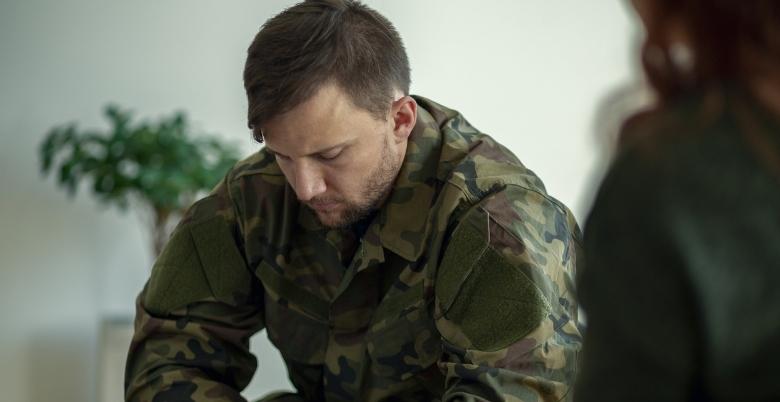
Understanding PTSD in Military Families
Post-Traumatic Stress Disorder (PTSD) is most commonly associated with military personnel after they leave the Armed Forces and return to civilian life. However, the psychological effects and stress of combat on the veteran can subsequently spill over to the family households.
PTSD is often displayed as heightened anxiety or irritability, and when these symptoms are experienced by a loved one, it’s referred to as secondary trauma and, as such, family members can find themselves adjusting to a completely different relationship dynamic. In many cases, partners, children and close relatives must provide ongoing emotional support, frequently without adequate understanding or preparation.
Common Impacts of PTSD on Family Members
| Area of Family Life | Common Effects |
| Communication | Withdrawal, avoidance, or conflict |
| Parenting | Inconsistency, emotional distance |
| Emotional Health | Anxiety, sadness, or hypervigilance in loved ones |
What is Secondary Trauma?
Secondary trauma is the emotional and psychological stress experienced by those who live closely with someone suffering from PTSD. In military families, this often affects spouses, children, or caregivers who are exposed to the consequences of service-related trauma, even though they were not directly involved in the original events that caused the PTSD it can still have an affect on them.
Over time, consistent exposure to a loved one’s trauma symptoms, such as insomnia, flashbacks, or emotional withdrawal, can lead to a mirrored psychological response. This includes signs such as difficulty sleeping or an increased sense of danger.
Symptoms Often Seen in Secondary Trauma Cases
- Sleep disturbances
- Emotional detachment
- Difficulty concentrating
- Anxiety or depressive symptoms
- Feeling overwhelmed or isolated
These symptoms can often lead to a more disrupted household and work life, which too can add more stress onto a household.
Can Families Make PTSD-Related Claims?
In the UK, family members of military personnel may be eligible to pursue secondary trauma claims if they have suffered psychological harm as a result of living with someone diagnosed with service-related PTSD. These claims acknowledge that the trauma experienced can extend beyond the individual in uniform, especially when their condition has been mismanaged or overlooked by the responsible bodies.
The legal recognition of secondary trauma is changing, but there have been successful claims where a clear link was established between a service member’s condition and the emotional harm caused to close family members. These claims often rely on medical assessments, psychiatric evaluations, and evidence of the impact on day-to-day functioning.
Requirements to Bring a Secondary Trauma Claim
| Criteria | Details |
| Medical Evidence | Diagnosis of PTSD in the service member and symptoms of secondary trauma in the family member. |
| Causation | A clear connection between the primary PTSD and the secondary trauma. |
| Time Limits | Claims must generally be made within 3 years of the onset of symptoms or awareness of injury. |
Howe Co Solicitors Secondary PTSD Claims Support
A secondary trauma claim requires technical knowledge, experience, and an understanding of military legal frameworks. At Howe & Co, we assist families by offering clear, professional advice tailored to PTSD-related cases. We help identify whether the legal threshold for a claim is met and guide clients through the evidentiary process from start to finish.
Why Families Choose Howe & Co for their Compensation Claims
Our specialist team of solicitors at Howe Co solicitors are experienced in all areas of military injury claims, including both physical injuries and mental injuries like PTSD, as such we can properly apply the context of your secondary trauma to a military injury claims case, providing you with the best potential outcome.
- Specialist expertise in military-related trauma and legal claims
- Respectful handling of sensitive family situations
- Clear communication throughout the process
- Results-driven advocacy with compassion and focus