

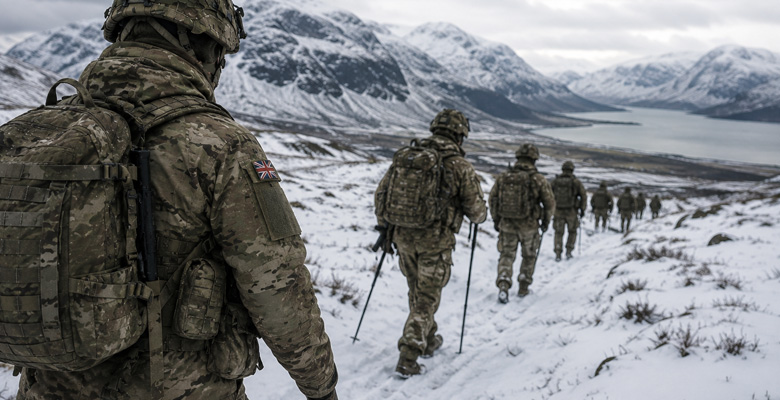
Service personnel are often required to operate in some of the most challenging environments in the world. From Arctic training exercises to prolonged exposure to harsh weather conditions, military duties can place significant strain on the body. While some environmental risks are unavoidable, injuries resulting from inadequate preparation, insufficient equipment, or failures in risk management may give rise to a military cold injury claim.
Cold weather injuries can have long-term consequences, affecting mobility, sensation, and quality of life. In some cases, service personnel and veterans may be entitled to pursue compensation where the Ministry of Defence (MOD) failed to take reasonable steps to protect them from foreseeable harm.
At Howe & Co, we assist serving personnel and veterans in understanding their rights and assessing whether an environmental injury MOD claim may be available.
What Are Cold Weather and Environmental Injuries?
Environmental injuries occur when exposure to weather, terrain, or environmental conditions causes physical harm. In military settings, these injuries are often associated with prolonged operations, training exercises, or deployments in extreme climates.
Cold-related injuries are among the most common environmental conditions seen in military claims. These injuries can develop quickly in severe conditions or gradually through repeated exposure.
Examples include:
- Frostbite affecting the hands, feet, ears, or face
- Non-freezing cold injury (NFCI) caused by prolonged exposure to cold and wet conditions
- Hypothermia resulting from extended exposure to low temperatures
- Long-term nerve and circulation damage linked to cold exposure
Many of these conditions can have lasting effects long after military service has ended.
Understanding Non-Freezing Cold Injury
A non-freezing cold injury military claim differs from a frostbite claim because the tissue does not freeze. Instead, damage occurs through prolonged exposure to cold, damp conditions, often over a period of days or weeks.
NFCI is particularly associated with military training and operational environments where personnel spend extended periods outdoors with limited opportunity to dry clothing or warm extremities.
Symptoms can include chronic pain, numbness, sensitivity to cold temperatures, reduced mobility, and ongoing circulation problems. In some cases, these symptoms persist permanently.
When Could the MOD Be Liable?
The MOD owes a duty of care to service personnel and must take reasonable steps to reduce foreseeable environmental risks. While exposure to difficult conditions is often part of military service, avoidable failures may amount to negligence.
Potential examples include inadequate planning, failures to provide suitable protective equipment, or insufficient monitoring of personnel operating in extreme environments.
| Potential Failure | Possible Consequence |
| Inadequate cold weather equipment | Increased risk of frostbite or NFCI |
| Poor risk assessment | Exposure to avoidable environmental hazards |
| Failure to monitor personnel | Delayed identification of symptoms |
| Insufficient training | Lack of awareness of injury risks |
Whether liability exists will depend on the specific facts and circumstances of the case.
Evidence Required to Support a Claim
As with all military injury claims, evidence is critical. Establishing a connection between the environmental exposure and the resulting injury is often the key issue.
Relevant evidence may include: service records, training records, medical documentation, weather reports, and witness statements from colleagues who experienced similar conditions.
Medical evidence is particularly important in frostbite armed forces compensation claims and NFCI cases, where symptoms may continue for many years after the original exposure.
Time Limits for Bringing a Claim
Most environmental injury claims are subject to the standard three-year limitation period. However, in some cases, symptoms may not be fully diagnosed until years after service.
Where this occurs, the limitation period may run from the claimant’s date of knowledge rather than the date of exposure. This can be particularly relevant in cases involving long-term circulation problems or delayed diagnosis of NFCI.
Early legal advice can help determine whether a claim remains within time.
How Howe & Co Can Help
Cold weather and environmental injuries can have a significant impact on daily life, employment, and long-term health. At Howe & Co, we assist serving personnel and veterans in investigating whether appropriate precautions were taken and whether the MOD fulfilled its legal responsibilities.
If you believe your condition may be linked to military cold exposure, obtaining legal advice can help establish whether a military cold injury claim or environmental injury MOD claim may be available. Contact us today.